How to Plan Your Masada at Sunrise, Ein Gedi & Dead Sea Tour in Jerusalem
Are you planning on visiting Israel any time soon? Add an unforgettable experience to your travel itinerary with a Masada at Sunrise, Ein Gedi & Dead Sea Tour, departing from Jerusalem. Here’s a step-by-step guide on how to plan your tour and what to expect.The Experience
The Masada at Sunrise, Ein Gedi & Dead Sea Tour is an outdoor adventure that will take you through some of the most breathtaking landscapes of Israel. You will start your day early to climb the ancient desert fortress of Masada, just in time to witness the sunrise over the Judean Desert. After a tour of the fortress ruins and mesmerizing views, you will head to the nearby oasis of the Ein Gedi Nature Reserve for a hike and a refreshing dip in a waterfall. Finally, you will end your day by relaxing and floating on the healing salty waters of the Dead Sea.Highlights
This tour is full of highlights that will give you a unique perspective on the history and natural beauty of Israel. Here are a few things you can expect to see and do on the Masada at Sunrise, Ein Gedi & Dead Sea Tour:- Climb Masada Desert Fortress as the sun rises
- Tour the fortress ruins and see the amazing views
- Hike at the oasis at Ein Gedi Nature Reserve
- Relax and float in the magnificent Dead Sea
The Procedure
To book your Masada at Sunrise, Ein Gedi & Dead Sea Tour, simply follow these steps:- Go to the website of the tour provider, which can be accessed at this link.
- Select the date of your tour and the number of participants.
- Enter your personal information and payment details.
- You will receive a confirmation email with all the information you need for the tour.
The Full Description
The Masada at Sunrise, Ein Gedi & Dead Sea Tour departs from Jerusalem and takes you on a journey through the desert landscapes of Israel. You will start your day by driving south to the ancient fortress of Masada. At the foot of the mountain, your guide will explain the history and significance of this site, which played a key role in the Jewish story of resistance against the Roman occupation. Then, you will start your climb to the top of the mountain via the famous Snake Path. This challenging hike takes about an hour, but the reward is well worth it. As you reach the summit, you will be able to witness the sunrise over the Moab Mountains and the Judean Desert, a truly breathtaking sight. After taking some time to admire the views and tour the fortress ruins, you will descend Masada and head to the nearby Ein Gedi Nature Reserve. This oasis is home to several natural springs and waterfalls, as well as a variety of desert plants and wildlife. Your guide will take you on a hike through the reserve, stopping at some of the most scenic spots for photos and relaxation. Finally, you will head to the lowest point on earth, the Dead Sea. This lake is famous for its high salt concentration, which allows you to float effortlessly on the water. The minerals in the Dead Sea are also known for their healing properties, making it a popular destination for spa treatments and relaxation. You will have some free time to enjoy the beach and the water before heading back to Jerusalem.Book Your Tour Now
The Masada at Sunrise, Ein Gedi & Dead Sea Tour is an experience you won’t forget. From the early morning climb to the top of Masada to the refreshing dip in the Ein Gedi waterfall and the relaxing float in the Dead Sea, this tour will take you through some of the most beautiful and historic sites of Israel. Book your tour today and get ready for an adventure like no other!
FAQ About Jerusalem
Jerusalem is a city steeped in history and significance, with a rich cultural heritage that has moved and inspired people for thousands of years. As such, there are many questions that people have about the city and its various sites and attractions. In this FAQ, we aim to provide clear, accurate, and helpful answers to some of those questions.1. What is Jerusalem?
Jerusalem is an ancient city located in the Middle East, on a plateau in the Judaean Mountains between the Mediterranean and the Dead Sea. It is considered a holy city in Judaism, Christianity, and Islam, and has been a site of contention and conflict for many centuries.2. What are the top attractions in Jerusalem?
Jerusalem is home to many sites of cultural, historical, and religious significance. Some of the top attractions include:- The Western Wall, a holy site for prayer and pilgrimage for Jews around the world;
- The Temple Mount, a site sacred to Jews, Christians, and Muslims;
- The Church of the Holy Sepulchre, which is said to be the site where Jesus was crucified, buried, and resurrected;
- The Mount of Olives, which offers a stunning view of the city and is home to many ancient Jewish tombs;
- The Israel Museum, which houses an extensive collection of art and artifacts from around the country;
- The Yad Vashem Holocaust Museum, which documents the history of the Holocaust and honors its victims;
- The Mahane Yehuda Market, which is known for its colorful atmosphere and wide variety of food and goods;
- The Old City, which is surrounded by walls dating back to the Ottoman era and is home to many of Jerusalem’s most famous sites.
3. What is the history of Jerusalem?
Jerusalem has a long and complex history that dates back thousands of years. It has been ruled by various empires and kingdoms, including the Assyrians, Babylonians, Persians, Greeks, Romans, Byzantines, Muslims, Crusaders, Ottomans, and British. Throughout this time, it has been a center of religious and cultural life for many different groups, and has been the site of many important events, including the construction of the First and Second Temples, the life and teachings of Jesus Christ, and the capture of the city by the Muslim armies of Saladin.4. What is the best time to visit Jerusalem?
The best time to visit Jerusalem depends on your preferences and what you want to see and do. The city can be quite hot in the summer months, with temperatures often reaching over 90 degrees Fahrenheit, so if you prefer cooler weather, you may want to visit in the spring or fall. The winter months can also be quite cold, with occasional snowfall, but this can add a unique charm to the city. Additionally, some of the city’s biggest religious holidays, such as Passover and Easter, can be incredibly crowded, so if you prefer to avoid crowds, you may want to plan your visit for a different time of year.5. What are the best ways to get around Jerusalem?
There are many ways to get around Jerusalem, depending on your preferences and budget. Some of the most popular options include:- Walking, which can be a great way to explore the city’s many narrow alleyways and hidden gems;
- Taxis, which are readily available throughout the city and can be hailed on the street;
- Buses, which offer an affordable and convenient way to get around, with many routes that pass through the city center;
- The light rail, which is a newer addition to the city’s transportation network and runs from the Damascus Gate to Mount Herzl;
- Rental cars, which can be a good option if you plan to explore areas outside of the city center.
6. Is Jerusalem safe for tourists?
Jerusalem is generally a safe city for tourists, with a low crime rate and a strong police presence. However, as with any major city, it is important to take precautions to ensure your safety. Some tips to keep in mind include:- Avoid walking alone at night, especially in isolated areas;
- Keep your money and valuables in a secure place;
- Be wary of pickpockets and other petty thieves in crowded areas;
- Respect local customs and religious sensitivities, especially when visiting religious sites;
- Be aware of political tensions and protests that may occur in the city, and avoid getting involved in any political discussions or activities.
7. What is the food like in Jerusalem?
Jerusalem is known for its diverse and delicious cuisine, which reflects its many different cultural influences. Some of the most popular dishes include:- Hummus, a chickpea-based dip that is often served with pita bread;
- Shakshuka, a breakfast dish of eggs cooked in a tomato sauce with spices;
- Falafel, deep-fried balls of ground chickpeas or fava beans that are often served in a pita sandwich;
- Malabi, a sweet pudding made with milk, sugar, and cornstarch;
- Musakhan, a chicken and sumac dish that is often served with bread and onions.
8. What is the weather like in Jerusalem?
Jerusalem experiences a Mediterranean climate, with hot, dry summers and cool, wet winters. The average temperature during the summer months (June-August) is around 80 degrees Fahrenheit, while the average temperature during the winter months (December-February) is around 50 degrees Fahrenheit. The city also experiences occasional snowfall during the winter months, although this is relatively rare.Book Your Tour Now
Jerusalem is a city of tremendous cultural and historical significance, with a wealth of sites and attractions that are sure to fascinate and inspire visitors. Whether you are interested in exploring its ancient streets, visiting its many religious sites, or simply enjoying its delicious cuisine, there is something for everyone in this remarkable city. By following the tips and advice outlined in this FAQ, you can ensure that your visit is safe, enjoyable, and unforgettable.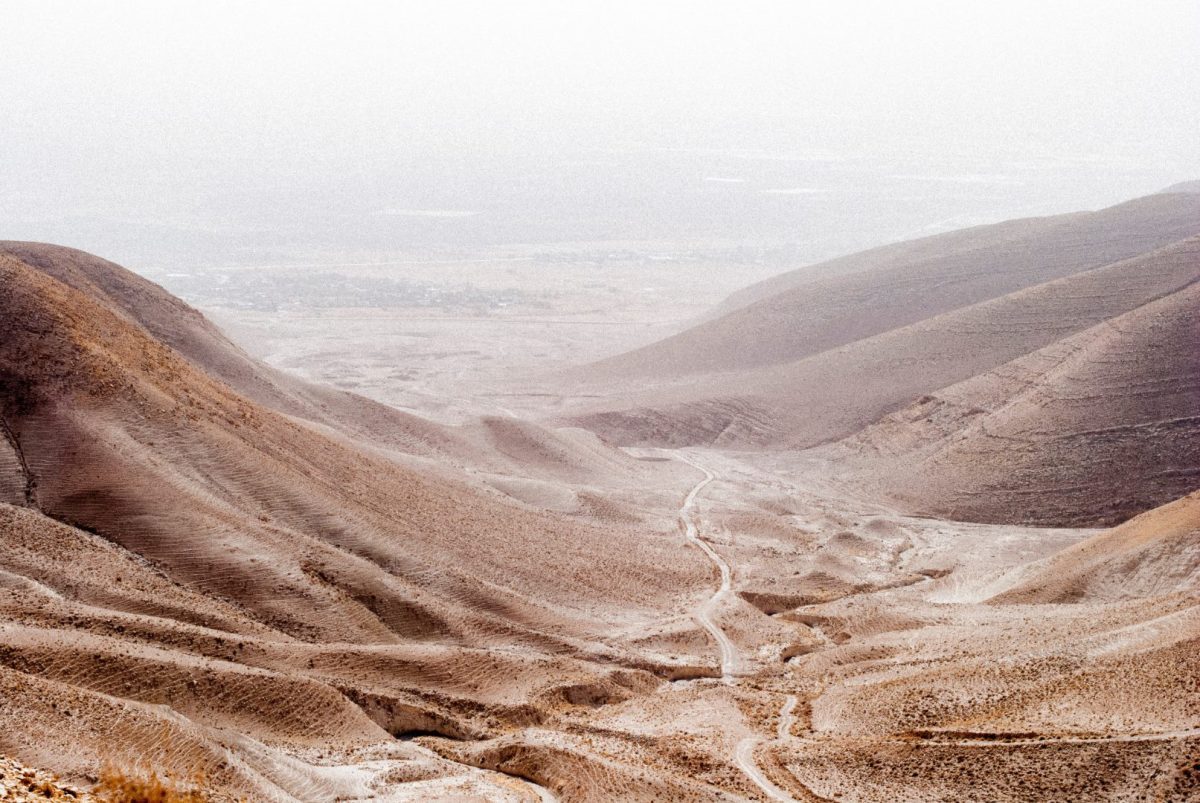
How to Spend Your Time as a Tourist in Jerusalem
Visiting Jerusalem is an once-in-a-lifetime experience for many travelers. One of the oldest and holiest cities in the world, Jerusalem presents an endless array of historic sites, cultural experiences, religious landmarks, and delicious cuisine. With so much to see and do, it can be overwhelming to plan an itinerary for your trip. In this article, we’ll break down the top attractions and provide you with key tips to help make the most of your time in Jerusalem.1. Explore the Old City
The Old City of Jerusalem is the heart of the city and can easily take up several days of your itinerary alone. The Old City is divided into four quarters – Christian, Jewish, Muslim, and Armenian – each with their unique history, architecture, food, and customs. Here are some highlights you should not miss:a. Western Wall
The Western Wall, also known as the Wailing Wall, is one of the most important and sacred sites in Judaism. It is the last remaining part of the Second Temple, which was destroyed by the Romans in 70 AD. Many people come here to pray, leave notes with their wishes written on them, and touch the wall for blessings.b. Via Dolorosa
The Via Dolorosa is the path that Jesus is believed to have walked on his way to crucifixion. The path closely weaves through the Old City and involves 14 Stations of the Cross. Some visitors like to join a guided tour to gain more insight and context of the historic Christian landmarks.c. Church of the Holy Sepulchre
The Church of the Holy Sepulchre is believed to be the site of Jesus’ crucifixion, burial, and resurrection. It is a significant pilgrimage site for Christians around the world. A guided tour that includes the Church of the Holy Sepulchre and the Via Dolorosa can enhance the visit.2. Visit the Mount of Olives
The Mount of Olives is a hill east of the Old City and offers fantastic panoramic views of the city. It is also a prominent location in the New Testament, where Jesus is said to have prayed before his arrest. Here are some highlights:a. Church of the Pater Noster
The Church of the Pater Noster is the site where Jesus is said to have taught the Lord’s Prayer to his disciples. Visitors can see the prayer inscribed in over 140 languages.b. Garden of Gethsemane
The Garden of Gethsemane is a peaceful space that is thought to be where Jesus went to pray before his arrest. It features centuries-old olive trees, some of which may date back to Jesus’ time.3. Discover the Israel Museum
The Israel Museum is the largest cultural institution in Israel, and it offers a vast collection of art and artifacts from the country’s rich history. Here are some highlights:a. Dead Sea Scrolls
The Israel Museum houses the world-famous Dead Sea Scrolls, which are believed to be among the oldest surviving copies of the Hebrew Bible. They were discovered in the 1940s and are featured in the museum’s Shrine of the Book.b. The Model of Jerusalem
The Model of Jerusalem is a 1:50 scale model of Jerusalem as it would have appeared during the Second Temple period. Visitors can gain an understanding of the city’s layout and architecture during that time.4. Enjoy the Local Cuisine
Jerusalem is known for its unique and delicious cuisine. Here are some of the classic dishes you should not miss:a. Hummus
Hummus is one of the most iconic foods of the Middle East, and Jerusalem has some of the best in the world. It is typically served with fresh pita bread, vegetables, and tahini sauce.b. Falafel
Falafels are made from ground chickpeas that are deep-fried and then served in a pita with salad and tahini sauce.c. Shakshuka
Shakshuka is a breakfast dish made of poached eggs in a tomato-based sauce with peppers and onions. It is usually served with bread and a variety of spices.5. Explore the Surrounding Area
Jerusalem is surrounded by beautiful and historic landscapes with their own unique attractions. Here are some top spots:a. Bethlehem
Bethlehem is the birthplace of Jesus and is located just a few miles south of Jerusalem. Visitors can see the Church of the Nativity and enjoy a tour of the traditional markets.b. Masada
Masada is an ancient fortress located on a plateau overlooking the Dead Sea. It is a UNESCO World Heritage Site and a popular destination for hikers and history enthusiasts.c. Dead Sea
The Dead Sea is famous for being the lowest point on earth and for its healing mud baths. Visitors can float in the saltwater, enjoy the view, and indulge in some relaxation.Book Your Tour Now
Jerusalem is a city that offers a ton of experiences that travelers will cherish for a lifetime. From the historic Old City to the vibrant markets and delicious food, there is something for everyone in Jerusalem. Regardless of your interests, make sure you plan your visits properly, and get ready to be mesmerized.Table of Contents