How to Plan Your Pompeii, Herculaneum, and Sorrento Private Tour from Rome
Looking for a unique way to explore ancient Italy? A private tour of Pompeii, Herculaneum, and Sorrento is an excellent choice for history and culture enthusiasts. This tour package includes the luxury of private transportation with a chauffeur, a private tour escort, and professional guides who will accompany you through Pompeii and Herculaneum archeological areas. Besides, you’ll have time to explore Sorrento, an elegant and charming coastal town. In this ultimate guide, we’ll provide you with all the information you need to plan your perfect tour from Rome.Overview
Your private tour will begin with pickup from your hotel, B&B or apartment at 7:00 AM. You’ll be picked up by a private chauffeur and luxury transportation, with all the comfort you need to make this day a memorable experience. Your private tour escort will welcome you on board and provide you with a brief introduction to the itinerary details. The drive to Pompeii’s Archaeological Park will take approximately two hours. You’ll spend two hours exploring Pompeii and then drive to Herculaneum’s Archaeological park, where you will have another two hours to visit the ruins. Finally, you’ll head to the charming coastal town of Sorrento, where you’ll enjoy plenty of free time before returning to Rome.What’s Included
- Pick-up and drop off with luxury transportation and private chauffeur
- Private English-speaking tour escort at your disposal
- Private professional guide inside both archeological areas
- Food and beverages
- Gratuities (optional)
- Admission tickets to all archeological areas
Meeting and Pickup
The pick-up will take place at your hotel/B&B/apartment at 7:00 AM. Please confirm your pick-up address when booking. If your accommodation is not in the area indicated on the map, send a message to the tour operator to arrange your pick-up.
What to Expect
- Pompeii Archaeological Park: Here you’ll travel back in time to the Roman era, exploring the ancient streets, houses, and shops. Pompeii is one of the most famous and visited archaeological sites in the world, known for its dramatic views and excellent preservation.
- Herculaneum Archaeological Park: Herculaneum is another Roman town buried by Mt. Vesuvius’s eruption in AD 79, much like Pompeii. Herculaneum is not as well-known as Pompeii, but it’s the most well-preserved ancient site in the world, with many buildings still intact.
- Sorrento: The charming town of Sorrento is located on the coast of the Bay of Naples, surrounded by hills and the sea. You’ll have free time here to stroll along the narrow streets, enjoy shopping, or tasting traditional Italian cuisine at one of the many restaurants and cafes.
Additional Info
- Confirmation will be received at the time of booking
- Wheelchair accessible: if you require a wheelchair, make sure to let the tour operator know when booking.
- Child rate applies only when shared with 2 paying adults.
Cancellation Policy
You can cancel your booking up to 24 hours before the tour for a full refund. If you cancel less than 24 hours before the tour, you’ll be charged for the full amount. There are no refunds for no-shows.
Book the Tour
Ready to book your private tour of Pompeii, Herculaneum, and Sorrento from Rome? Book here and prepare for an unforgettable adventure through ancient Italy.
Book Your Tour Now
This private tour of Pompeii, Herculaneum, and Sorrento is an excellent way to experience the magic of ancient Italy, all with the luxury of private transportation, professional guides, and the convenience of a tour escort at your disposal. Make sure to plan your day ahead, wear comfortable shoes, and bring a hat and sunscreen, as the sun can be quite strong during the summer. We hope this guide helped you plan your tour and made your trip a memorable experience.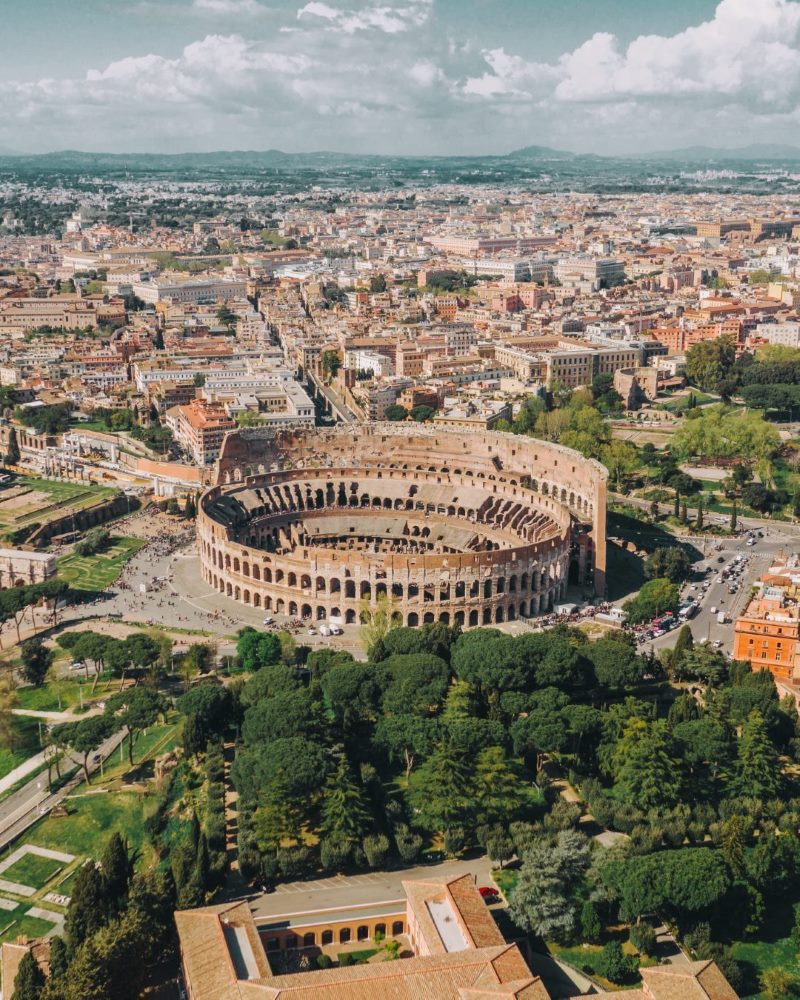
FAQs About Rome
Rome, the city of love, history, and art, is one of the most visited cities in the world. With numerous landmarks, museums, and historical sites, Rome has become a hub for tourists. If you are planning a trip to Rome, here are some frequently asked questions that will help you plan your visit.
1. What is the best time to visit Rome?
The best time to visit Rome is in the spring and fall (April to May and late September to October). During this time, the weather is mild, and the crowds are smaller. Summers in Rome can be extremely hot with temperatures frequently exceeding 90°F, and winters are cold and wet.
2. How do I get to Rome?
The easiest and most convenient way to get to Rome is by air. Rome has two main airports: Fiumicino (also known as Leonardo da Vinci airport) and Ciampino airport. Both airports are well connected to the city by buses, taxis, and trains.
3. What is the currency used in Rome?
The currency used in Rome, as well as the rest of Italy, is the Euro (€).
4. Do I need a visa to visit Rome?
If you are a citizen of a country within the European Union, you do not need a visa to enter Rome. However, if you are from a non-EU country, you should check the visa requirements before traveling.
5. What are the must-see attractions in Rome?
Rome is home to countless attractions that are worth seeing. Some of the must-see attractions include the Colosseum, the Vatican Museums, the Roman Forum, the Trevi Fountain, the Pantheon, and the Spanish Steps.
6. How can I avoid the crowds in Rome?
The best way to avoid the crowds in Rome is to visit popular attractions early in the morning or late in the afternoon. Also, visit less popular sites or neighborhoods, such as the Janiculum Hill or the Monti neighborhood, where you can find historic streets, artisan shops, and some of the best food spots in Rome.
7. What is the best way to get around Rome?
The easiest and most efficient way to get around Rome is by the metro, buses, or trams. Taxis are also available, but they can be expensive, especially during peak hours.
8. Is it safe to walk around Rome at night?
Rome, as with any other city, has its fair share of pickpocketing and petty crimes. Therefore, it is recommended that you avoid walking alone at night, especially in secluded areas or streets. It is always safer to take a taxi or public transport.
9. What is the food culture like in Rome?
Rome’s food culture is diverse and delicious. Some of the must-try dishes include pasta all’Amatriciana, cacio e pepe, suppli al telefono, and pizza al taglio, just to name a few. Rome also has its own unique version of gelato, which is a must-try if you have a sweet tooth.
10. What is the tipping policy in Rome?
Tipping in Rome is not mandatory, but it is always appreciated. A service charge is usually included in the bill at restaurants, but it is customary to leave an additional 10% if the service is exceptional.
Overall, Rome is a city that offers something for everyone. Whether you are interested in history, art, food, or shopping, Rome has it all. With a little planning and preparation, your visit to Rome will surely be an unforgettable one.
How to spend your time as a tourist in Rome
Rome, the eternal city, is a must-see destination for anyone visiting Italy. With so much to see and do, it can be overwhelming to plan your itinerary. In this post, we’ve compiled a list of the top things to do in Rome, including popular attractions, food and drink spots, and cultural experiences.1. Visit the Colosseum
No visit to Rome is complete without a visit to the Colosseum. This ancient amphitheater is one of the most iconic landmarks in Rome, and the largest amphitheater ever built. It was used for gladiatorial contests and public spectacles such as mock sea battles, animal hunts, and executions. Our advice is to buy tickets in advance, as the lines to enter the Colosseum can be long. A tip to avoid the crowds is to visit early in the morning, when the Colosseum opens at 8:30 am. You can also take a guided tour to discover more about the history of this incredible site.2. Explore the Vatican City
The Vatican City is the smallest country in the world, located within Rome. It’s home to the Pope, the Sistine Chapel, and St. Peter’s Basilica. The Sistine Chapel is an absolute must-see, with its ceiling famously painted by Michelangelo. Entrance to the Vatican Museums (including the Sistine Chapel) is 17 Euros per adult, and 8 Euros per youth or student under the age of 25, but student ID is required. Be aware that the Vatican City dress code is strict, so be sure to dress appropriately. Cover your shoulders and knees or you won’t be allowed to enter St. Peter’s Basilica or the Sistine Chapel. Our advice is to book a guided tour in advance to skip the long lines, and learn more about the history and art of the Vatican City.3. Try the local food and drink
One of the best things about visiting Rome is the opportunity to discover new and delicious food and drink. Roman cuisine is famous for its pastas, pizzas, and gelato. Make sure to try carbonara, cacio e pepe, amatriciana, and pizzas by the slice. For dessert, the traditional tiramisu and cannoli are a must. Toasting with a glass of wine is a tradition in Italy. Try some of the best Italian wines like Chianti, Barolo, Amarone, or Montepulciano. Our advice is to look for local restaurants and markets where you can taste authentic Italian food and drink.4. Walk around the historic center
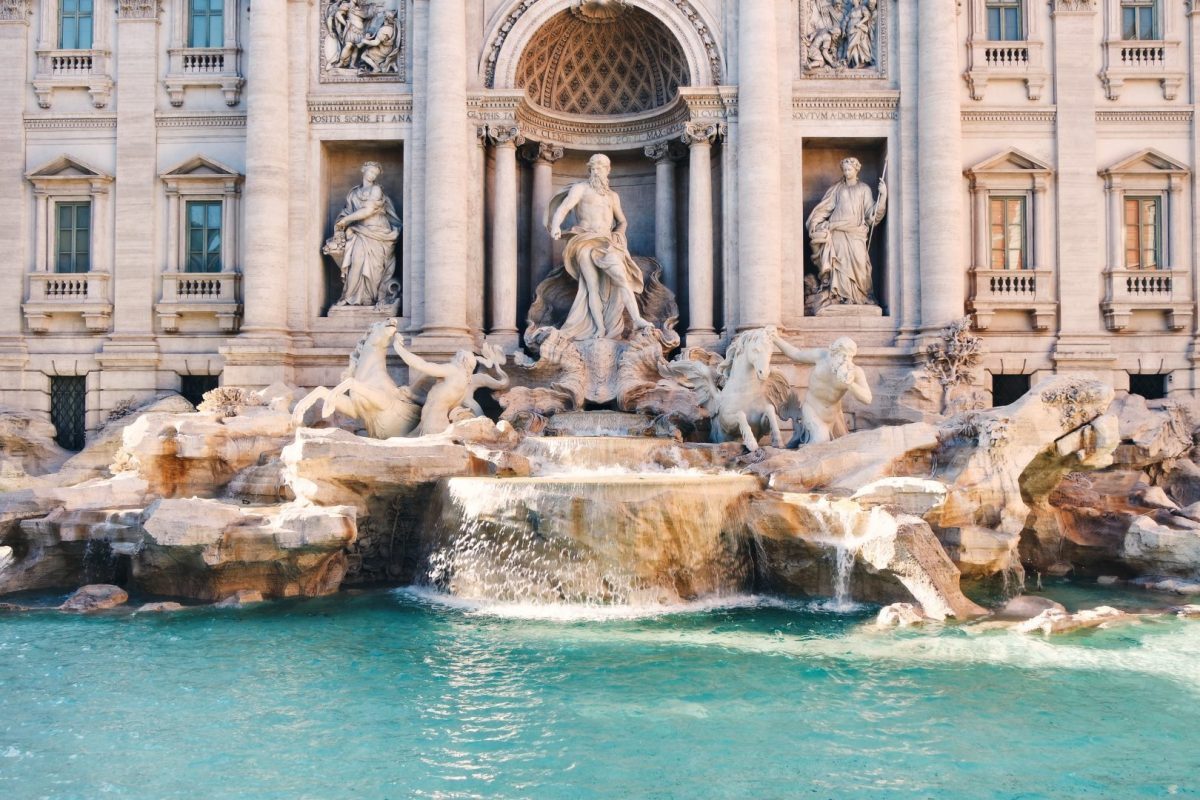
Rome’s historic center is a must-visit area. From the iconic landmarks to charming streets and hidden gems, there’s plenty to see and discover. Take a walk around the Piazza Navona, the Pantheon, the Trevi Fountain, and the Spanish Steps. Make sure to wear comfortable shoes as you can easily walk for hours around the city. Our advice is to download a map or use a GPS-enabled app to navigate the city easily.5. Experience the culture
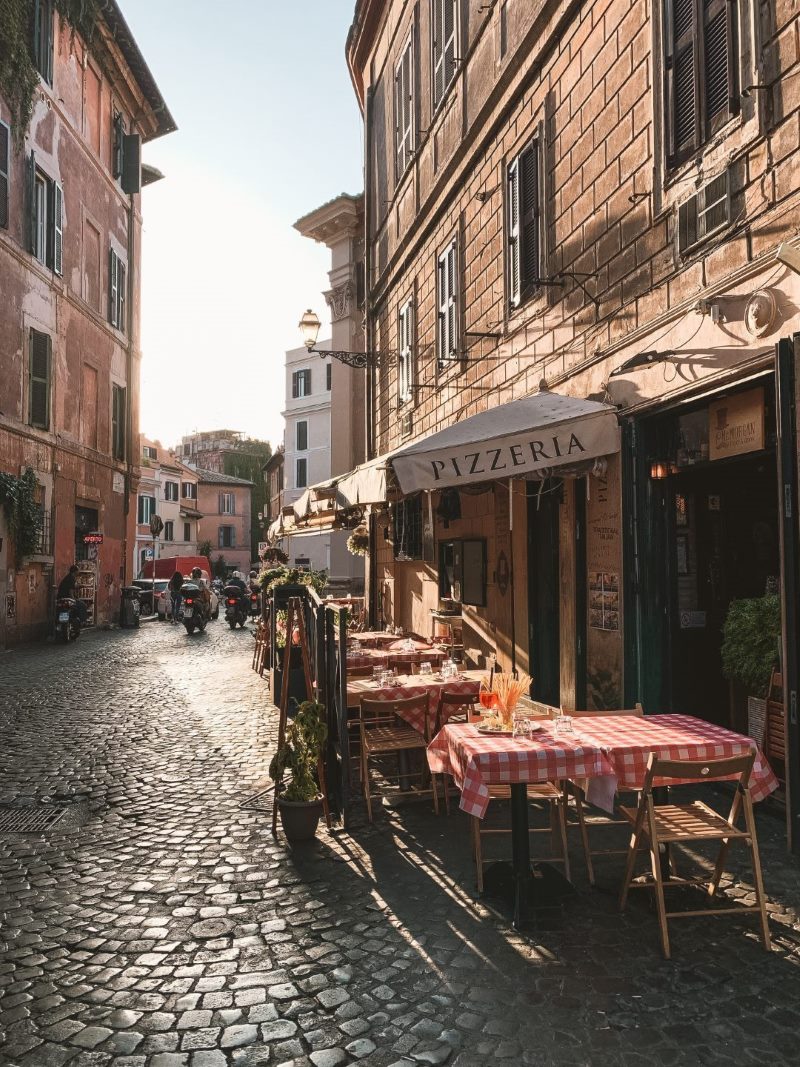
Rome is steeped in history and culture with plenty of museums, galleries, and exhibitions to visit. You can also experience the city’s culture by attending a concert or opera, or by watching a traditional Italian play. For a unique cultural experience, visit the Trastevere neighborhood. It’s a charming area with narrow streets, colorful houses, and great nightlife.Book Your Tour Now
Rome is a city that offers something for everyone, from ancient history to delicious food and drink, to modern art and culture. Whether you’re a first-time visitor or a seasoned traveler, there’s always something new to discover. Our advice is to plan your itinerary in advance and to book tickets and tours in advance to avoid lines and waiting times. Try to experience the city like a local and take your time to explore the hidden gems of Rome.Table of Contents