How to Plan Your Reykjavik Tour: Sky Lagoon Entrance Pass With 7-Step Spa Ritual
If you’re planning a trip to Reykjavik, Iceland, you definitely won’t want to miss out on the breathtaking Sky Lagoon. This natural, ocean-side geothermal lagoon presents a fantastic opportunity to relax, connect with Icelandic culture, and experience luxurious and calming spa treatments. With the Sky Lagoon Entrance Pass and 7-Step Spa Ritual, you’ll enjoy a private changing facility, towel service, and an immersive experience with the Icelandic bathing tradition. The following guide will help you plan your Sky Lagoon tour with ease.Experience
With the Sky Lagoon Entrance Pass, you’ll enjoy the following highlights of the experience:Soak and Relax in Warm Geothermal Waters
The Sky Lagoon is naturally heated by geothermal energy and features warm, mineral-rich water that promotes relaxation and improved well-being. Unlike many other spas or hot springs in Iceland, the Sky Lagoon features a pristine natural environment and emphasizes sustainability.Experience Icelandic Bathing Culture with the 7-Step Ritual
The Sky Lagoon’s 7-Step Ritual is designed to help you connect with Icelandic bathing traditions while nurturing your body with healing minerals and nutrients. After enjoying the geothermal waters, you can participate in this ritual to enhance your experience further.Enjoy the View from the Infinity Pool
With calm ocean waves crashing all around you, there’s no better place to relax than the Sky Lagoon’s infinity pool. You’ll feel like you’re on top of the world as you take in stunning views of Reykjavik and the mesmerizing natural beauty that surrounds you.Connect with Icelandic Bathing Traditions
If you’re interested in learning more about Icelandic culture and history, your Sky Lagoon experience is an excellent opportunity. The staff at the facility are knowledgeable about the significance and history of bathing in Iceland and can share their insights with you as you relax at the Sky Lagoon.Relax Your Mind, Body, and Soul
The Sky Lagoon is one of the most peaceful places in the world, making it an excellent destination for people who want to escape the stress of their everyday lives. By using the natural healing properties of warm water and minerals, the Sky Lagoon helps you relax and rejuvenate so that you can enjoy better overall health and well-being.How to Book the Tour
Booking your Sky Lagoon Entrance Pass with 7-Step Spa Ritual is easy. Head to the link below to book your tour. You’ll enjoy the following inclusions:- Sky Lagoon Entry Ticket
- 7-Step Spa Ritual
- Private Changing Facilities (if Sky Pass option chosen)
- Shared Changing Facilities (if Pure Pass option chosen)
- Towel
Not Suitable for
Please note that the Sky Lagoon tour is not suitable for children under 12 years old.Book Your Tour Now
Reykjavik’s Sky Lagoon is an outstanding destination for anyone interested in enjoying the natural beauty of Iceland while relaxing and connecting with the country’s unique bathing traditions. By using the guide above, you’ll be able to plan your tour with ease and ensure that you’re taking advantage of everything that the Sky Lagoon has to offer. So what are you waiting for? Book your tour today and look forward to an unforgettable experience. Book the tour here.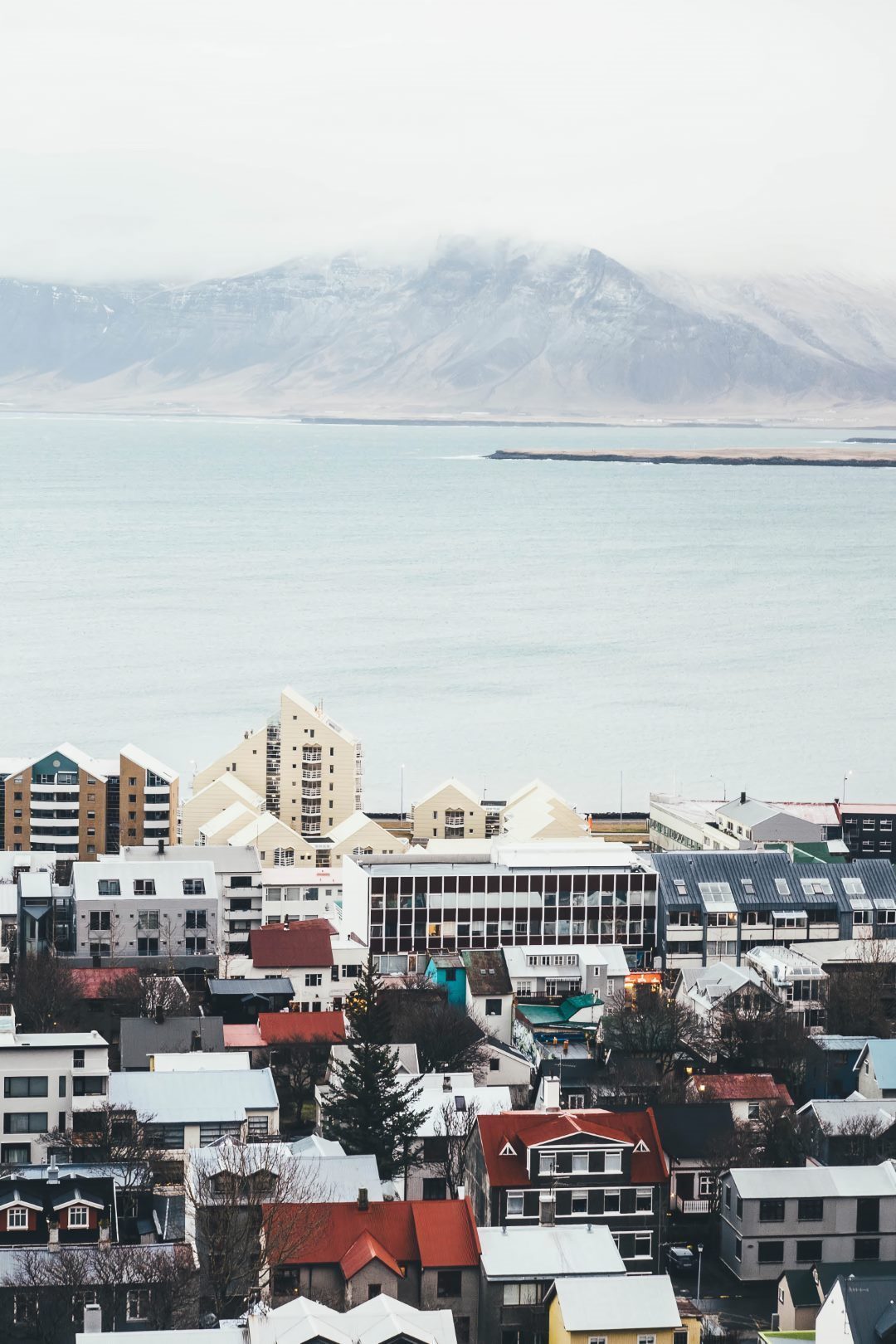
Frequently Asked Questions About Reykjavik
1. What is Reykjavik?
Reykjavik is the capital and largest city of Iceland. It is located in southwestern Iceland, on the shore of Faxa Bay. The city has a population of approximately 130,000 people, which represents more than a third of Iceland’s total population. Reykjavik is known for its vibrant cultural scene, lively nightlife, stunning natural beauty, and unique architecture.
2. What is the climate like in Reykjavik?
Reykjavik has a subarctic climate, characterized by cool summers and relatively mild winters. The temperature in the city rarely goes above 20°C (68°F) in summer or below -5°C (23°F) in winter. However, the weather can be unpredictable, and it is not uncommon to experience all four seasons in one day. Visitors to Reykjavik should bring warm and waterproof clothing regardless of the season.
3. What are the top things to see and do in Reykjavik?
Reykjavik offers a wide range of attractions and activities for visitors of all ages and interests. Some of the top things to see and do in the city include:
- Visit the iconic Hallgrimskirkja church, which offers panoramic views of the city and surrounding countryside.
- Explore the vibrant downtown area, which is home to numerous shops, restaurants, bars, and galleries.
- Enjoy a relaxing soak in one of the city’s many geothermal swimming pools, such as the iconic Blue Lagoon or the lesser-known Laugardalslaug.
- Take a whale watching tour or visit the nearby puffin colonies for some unforgettable wildlife encounters.
- Learn about Icelandic history and culture at the National Museum of Iceland or the Reykjavik Art Museum.
- Experience the unique nightlife scene, which is particularly lively on weekend nights.
- Take a day trip to nearby natural wonders such as the Golden Circle, the South Coast, or the Snæfellsnes Peninsula.
4. What are some good restaurants in Reykjavik?
Reykjavik has a thriving culinary scene, with a wide variety of restaurants offering everything from traditional Icelandic cuisine to international flavors. Some popular options include:
- Grillmarkaðurinn (Grill Market), which features creative Icelandic dishes made with local ingredients.
- Matur og Drykkur (Food and Drink), which specializes in traditional Nordic cuisine with a modern twist.
- The Fish Market, which serves fresh seafood dishes in a stylish setting.
- Noodle Station, which offers hearty bowls of noodle soup at affordable prices.
- Bæjarins Beztu Pylsur, a famous hot dog stand that has been serving up delicious hot dogs since 1937.
5. What is the best time of year to visit Reykjavik?
Reykjavik can be visited year-round, with each season offering a unique experience. Summer (June-August) is the most popular time to visit, with long days and mild weather. However, this is also the busiest and most expensive time of year. Winter (December-February) offers the chance to see the stunning Northern Lights and experience a true winter wonderland, but the weather can be harsh and some attractions may be closed. Spring (March-May) and fall (September-November) offer milder weather, fewer crowds, and lower prices, but also more unpredictable weather.
6. What are the transportation options in Reykjavik?
Reykjavik has a well-developed public transportation system, consisting of buses that operate throughout the city and the surrounding areas. The Strætó app can be downloaded for easy navigation. Taxis are also available but can be expensive. Most attractions in Reykjavik are easily accessible on foot, with many visitors choosing to walk or bike around the city. Car rentals are also widely available and can be a great option for exploring the surrounding areas at your own pace.
7. What are some popular day trips from Reykjavik?
Reykjavik is the perfect base for exploring some of Iceland’s most stunning natural wonders. Some popular day trips include:
- The Golden Circle, which includes Thingvellir National Park, the Geysir Geothermal Area, and the Gullfoss Waterfall.
- The Blue Lagoon, where visitors can soak in the warm, mineral-rich waters surrounded by otherworldly scenery.
- The South Coast, which features dramatic black sand beaches, glaciers, waterfalls, and quaint fishing villages.
- The Snæfellsnes Peninsula, which boasts a diverse array of landscapes ranging from rugged coastlines to volcanic craters.
8. What is the currency in Reykjavik?
The currency in Reykjavik is the Icelandic króna (ISK). Currency exchange services are available at banks, post offices, and many hotels and tourist information centers. Credit cards are widely accepted in the city, but it is always a good idea to carry some cash for smaller purchases and for use outside of the city.
9. What are some useful Icelandic phrases?
While most people in Reykjavik speak English, learning a few basic Icelandic phrases can go a long way in showing respect for the local language and culture. Some useful phrases include:
- Hey! – Hæ!
- Thank you – Takk fyrir
- Hello – Halló
- Goodbye – Bless
- Excuse me – Afsakið
- Yes – Já
- No – Nei
- Sorry – Fyrirgefðu
10. Is Reykjavik a safe city for tourists?
Reykjavik is generally considered to be a very safe city for tourists, with a low crime rate and friendly locals. However, visitors should still take common-sense precautions, such as avoiding unlit areas at night, keeping valuables secure, and being aware of potential scams or pickpocketing. It is also important to follow safety guidelines when participating in outdoor activities, such as hiking or snorkeling. It is recommended to always check for weather and road conditions before heading out.
Book Your Tour Now
Reykjavik is a unique and exciting city that offers something for everyone. From stunning natural beauty to a vibrant cultural scene, there is no shortage of things to see and do in this fascinating destination. By following these tips and guidelines, visitors can make the most of their time in Reykjavik and experience all that this magical city has to offer.
How to spend your time as a tourist in Reykjavik
Reykjavik, the capital city of Iceland, is a place full of exciting and unique opportunities. From picturesque landscapes to cultural sites and delicious food options, there’s no doubt that this city has a lot to offer. Here’s a detailed guide on how to spend your time as a tourist in Reykjavik.1. Start with a Walking Tour
One excellent way to get to know Reykjavik quickly is by taking a walking tour. The tours are led by knowledgeable guides who provide an overview of the city’s history and point out interesting landmarks. Some of the popular walking tour companies include Gray Line, which offers tours in multiple languages, and Walk the Walk, which offers a fun and interactive tour with costumes.2. Visit Reykjavik’s Iconic Landmarks
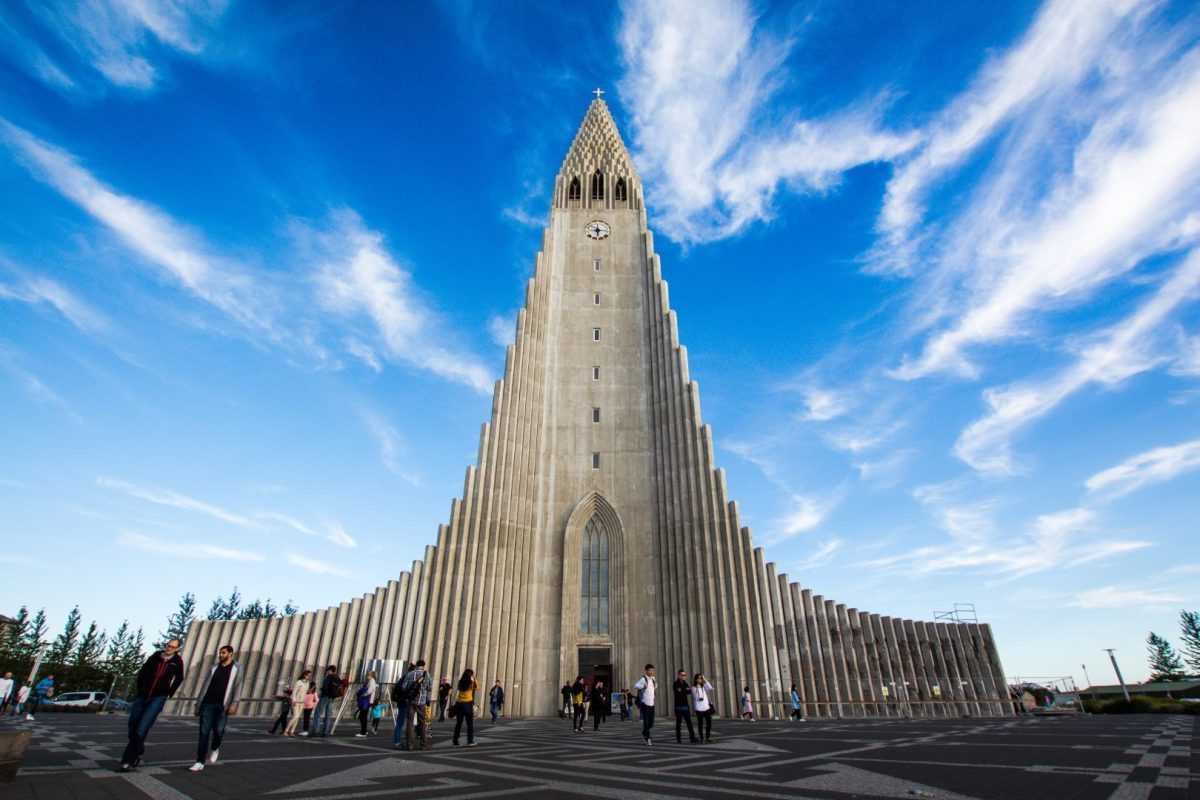
After getting a feel for the city from a walking tour, take time to visit its iconic landmarks. One must-visit location is the Hallgrímskirkja church. The church offers a stunning view of Reykjavik, and visitors can take an elevator to the top of the tower to see the panoramic views of the city. Another must-visit location is the Harpa Concert Hall, a beautiful building situated by the waterfront. It offers multiple entertainment options, including concerts, operas, and theatrical performances. The building is also stunning to watch from the outside, especially when the northern lights light up the sky.3. Head Out to the Countryside
Reykjavik is surrounded by beautiful landscapes that are just a short drive away. Take time to explore the countryside by booking a tour or renting a car. Some of the popular locations include the Golden Circle, which offers an opportunity to see a hot spring, a geysir, and a waterfall, and the Blue Lagoon, a world-famous geothermal spa.4. Sample Some Icelandic Cuisine
Reykjavik is a foodie’s paradise, with unique Icelandic cuisine, including fish, lamb, and dairy products. Some of the popular restaurants include the seafood restaurant, Fiskmarkaðurinn, and the Reykjavik Kitchen, which offers dishes made with locally sourced ingredients. Another fun food experience is to try the hot dogs from the popular hot dog stand, Bæjarins Beztu Pylsur. The hot dogs, made with Icelandic lamb, are a favorite among locals and tourists alike.5. Go on a Whale Watching Tour
Whale watching tours are another must-do activity in Reykjavik. The tours are available throughout the year and offer the opportunity to see humpback whales, minke whales, and even orcas. The best time to go on a whale watching tour is from May to September, but even in the winter months, there’s a chance to see some incredible marine life.6. Explore Reykjavik’s Art and Culture Scene
Reykjavik has a thriving art and culture scene. Take time to explore the city’s museums, galleries, theaters, and street art. Some of the popular museums include the National Museum of Iceland, which offers a glimpse into the country’s history, and the Reykjavik Art Museum, which features contemporary art from Iceland and beyond. Another fun experience is to explore Reykjavik’s street art. Take a walk around the city to see the colorful and expressive murals that adorn the buildings.7. Relax in Reykjavik’s Hot Spring Pools
Iceland is known for its geothermal pools, and Reykjavik is no exception. The city has multiple hot spring pools, including the Laugardalslaug pool, which is the largest in Reykjavik. The pool offers a range of temperature options and even features water slides and children’s pools. Another popular option is the Nauthólsvík beach, a man-made beach with a hot tub and steam bath. Visitors can enjoy a refreshing swim in the sea and then relax in the warmth of the hot tub.Book Your Tour Now
Reykjavik offers a diverse range of activities that cater to all interests. From exploring the city’s landmarks to delving into its art and culture scene and relaxing in geothermal pools, tourists will never run out of things to do in this exciting city. By following this guide, you can maximize your time in Reykjavik and create unforgettable memories.Table of Contents