How to Plan Your Singapore: Hands-on Cooking Class with Cultural Immersion
Are you looking to experience Singapore’s food culture in a more immersive way? Look no further than the hands-on cooking class offered by our local partner. In this blog post, we will guide you step-by-step on how to plan this one-of-a-kind tour, from the highlights of the experience to the full description and how to book it.Experience
The Singapore: Hands-on Cooking Class with Cultural Immersion offers a unique experience that combines cooking and cultural immersion. Here are the highlights of what you can expect to experience during this tour: – Learn interesting snippets about Singapore’s food culture and discover the secrets to Singapore’s hawker centers. – Cook up local family recipes passed down through many generations like Laksa Hainanese Chicken Rice and Satay. – Use fresh local ingredients and benefit from the guidance of your instructors throughout. – Savor the fruits of your labor: a sumptuous 3-course Singaporean meal. – Hear intricate stories of how your instructors overcame challenges to return to the workforce through the local partner’s flexi-work arrangements.Full Description
Upon arrival at the vibrant cooking studio, you will be greeted by your friendly instructors and get settled down comfortably with a cup of coffee or tea with nostalgic snacks/bites. Start the class off with a fun ice-breaker game to help you delve deep into Singapore’s heritage food and culture. Then learn more about the dishes you will be cooking for the day from the origins of the dish to the specific local ingredients used. Next, put on your apron and get ready to cook up a storm! The instructors will guide you through the entire process, from preparation to plating. The class uses a hands-on approach, so you will be chopping, slicing, and dicing your own ingredients. You will also get to learn tips and tricks on how to create the perfect balance of flavors to make your dishes authentic and flavorful. After cooking and plating, it’s time to enjoy the fruits of your labor. Savor the sumptuous 3-course Singaporean meal that you have prepared, and bask in the satisfaction of having made it yourself. Throughout the entire cooking class, your instructors will be sharing interesting stories about Singapore’s food culture. They will also be sharing their personal stories about how they overcame challenges to return to the workforce through the local partner’s flexi-work arrangements.How to Book
Booking the Singapore: Hands-on Cooking Class with Cultural Immersion is easy. Simply visit our partner’s website and book the tour here: book the tour here. You can choose from a variety of time slots to suit your schedule, and the tour is priced at a reasonable rate. In conclusion, the Singapore: Hands-on Cooking Class with Cultural Immersion is a must-do for anyone looking to experience the best of Singapore’s food culture. With this guide, you can easily plan your tour and get ready to cook up a storm!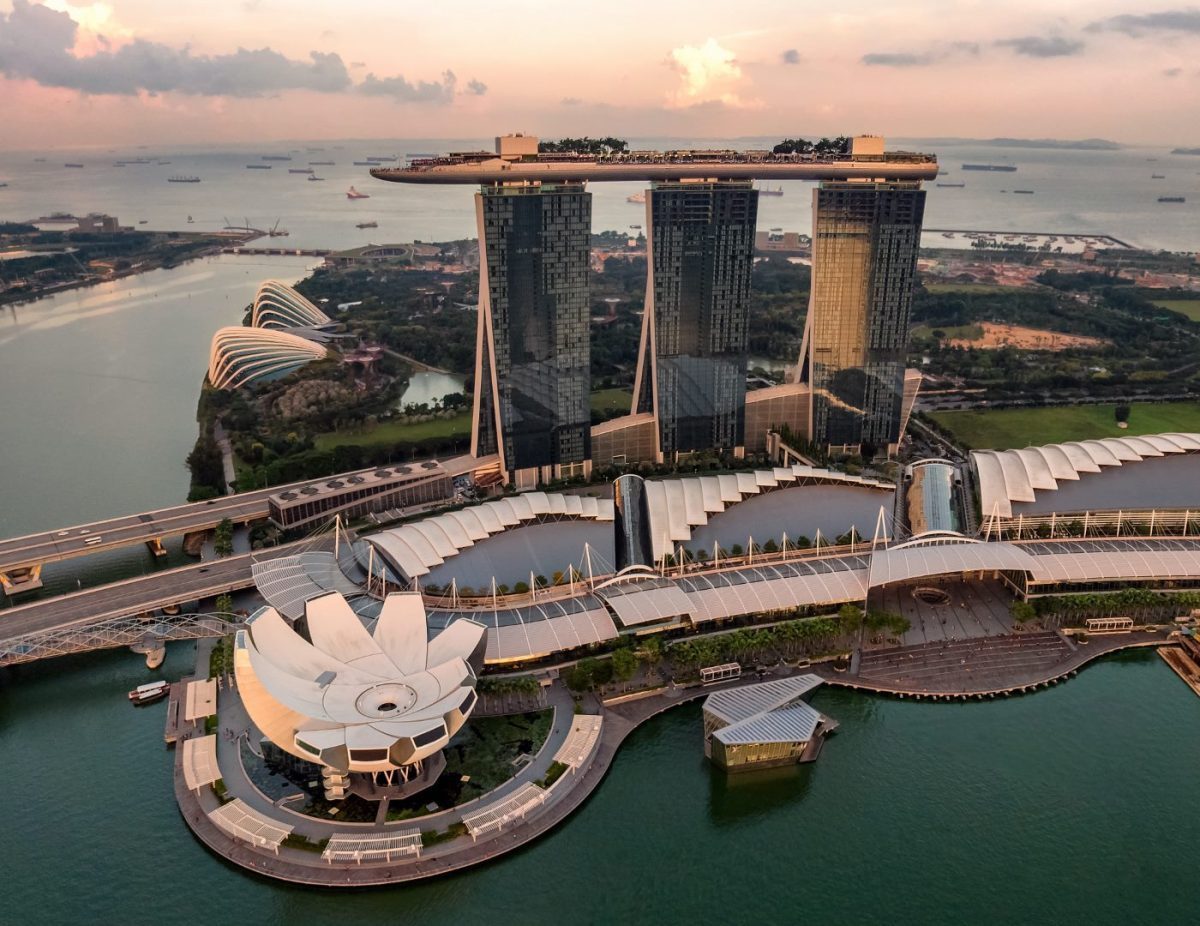
Frequently Asked Questions About Singapore
Singapore is a bustling city that attracts millions of tourists every year. As a result, many people have questions about what to expect when visiting this city-state. This guide aims to answer some of the most frequently asked questions about Singapore.
1. What is Singapore’s currency?
The currency used in Singapore is the Singapore dollar (SGD). It is divided into 100 cents. Visitors can exchange their currency at banks or money changers located around the city, or withdraw money from ATMs using their debit or credit cards.
2. What is the weather like in Singapore?
Singapore has a tropical rainforest climate, which means it is warm and humid all year round. The temperature typically ranges from 25°C to 31°C (77°F to 88°F). The weather is usually sunny in the morning, with heavy rainfall occurring in the afternoon or evening. Visitors should be prepared for the rain by carrying an umbrella or raincoat with them.
3. What are the top tourist attractions in Singapore?
There are many popular tourist attractions in Singapore, including:
- Marina Bay Sands
- The Merlion
- Gardens by the Bay
- Universal Studios Singapore
- Chinatown
- Little India
- Sentosa Island
- Singapore Botanic Gardens
4. What is the best way to get around Singapore?
Singapore has an efficient transportation system, with options such as buses, trains, and taxis readily available. The Mass Rapid Transit (MRT) is one of the most popular modes of transportation among locals and tourists. Visitors can purchase an EZ-Link card or Singapore Tourist Pass (STP) to enjoy unlimited rides on public transportation.
5. Is Singapore safe for tourists?
Singapore is generally considered a safe city for tourists. The crime rate is low, and the city has strict laws and regulations in place. However, visitors should still take precautions to safeguard their belongings and be mindful of their surroundings.
6. What are the best places to eat in Singapore?
Singapore is known for its diverse food scene, with a variety of cuisines available. Some popular dishes include Hainanese chicken rice, laksa, and chili crab. Some of the best places to eat in Singapore include:
- Maxwell Food Centre
- Hawker Chan
- Tiong Bahru Market
- Old Airport Road Food Centre
- Chinatown Food Street
7. What is the legal drinking age in Singapore?
The legal drinking age in Singapore is 18 years old. It is illegal to purchase or consume alcohol if you are under this age. Visitors should carry their identification to prove their age when purchasing or consuming alcohol.
8. What is the tipping culture in Singapore?
Tipping is not a common practice in Singapore, as service charges are often included in the bill. If you receive exceptional service, you may round up the bill or offer a small tip as a token of appreciation.
9. What are some cultural taboos in Singapore?
Singapore is a multicultural society with diverse customs and traditions. Visitors should be respectful of the local culture and avoid engaging in activities that may be considered offensive or disrespectful, such as:
- Chewing gum, which is banned in Singapore
- Eating or drinking on public transportation
- Sitting cross-legged or pointing with your feet
- Touching someone’s head or handing something over with your left hand
10. What is the best time of year to visit Singapore?
Singapore can be visited year-round due to its consistent climate. However, the best time to visit is during the drier months of February to April and July to September, when the rainy season is less intense. Visitors should also be aware of major events and festivals that may attract large crowds, such as Chinese New Year or the Singapore Grand Prix.
11. Is it necessary to purchase travel insurance before visiting Singapore?
While travel insurance is not mandatory for visitors to Singapore, it is highly recommended. Travel insurance can provide coverage for unexpected emergencies, such as medical expenses or trip cancellations.
12. What is the voltage in Singapore, and what type of plug is used?
The voltage used in Singapore is 220-240 volts AC, 50Hz. The plug used is a Type G British three-pin plug. Visitors should bring a universal adapter if their electronic devices do not have this type of plug.
13. Can I rent a car in Singapore?
Yes, you can rent a car in Singapore if you have a valid driving license. However, visitors should be aware that Singapore has strict traffic laws and regulations. Drivers should be prepared to drive on the left side of the road and navigate through a complex network of expressways.
14. What are some etiquette tips to keep in mind when visiting Singapore?
Singapore has a culture of respect and courtesy. Visitors should keep the following etiquette tips in mind:
- Addressing people by their formal titles, such as “Mr.” or “Ms.”
- Removing shoes before entering someone’s home or a mosque
- Asking for permission before taking photographs of people or places
- Covering your shoulders and knees when visiting religious sites
By following these etiquette tips, visitors can show respect for Singapore’s customs and traditions.
15. What languages are spoken in Singapore?
Singapore has four official languages: English, Mandarin, Malay, and Tamil. English is commonly used in business and government, making it easy for visitors to communicate with locals. Many Singaporeans are also bilingual or multilingual, speaking a combination of these languages or dialects.
Book Your Tour Now
Visiting Singapore can be a memorable experience, with its vibrant culture, delicious food, and top tourist attractions. By keeping these frequently asked questions in mind, visitors can prepare for their trip and make the most of their time in this cosmopolitan city-state.
How to Spend Your Time as a Tourist in Singapore
If you’re planning on visiting Singapore for vacation, you’re in for a treat. The city-state is considered one of the world’s premier tourist destinations, and rightly so. It offers a unique blend of cultures, picturesque architecture, and an exciting culinary scene, all set against a backdrop of lush greenery and impressive innovation. Here’s a comprehensive guide on how to spend your time in Singapore.1. Visit Marina Bay Sands
If you’re looking to get a bird’s-eye view of Singapore, this is the spot for you. Marina Bay Sands offers a panoramic view of the city, which is truly breathtaking. It’s best to come here in the evening to catch the gorgeous sunset and watch the nightly light show at the Marina Bay Sands Resort.2. Explore the Gardens by the Bay
The Gardens by the Bay offer an almost ethereal experience. They are a vast expanse of greenery that feature trees that are lit up by colorful lights in the evenings. These gardens are especially popular with nature lovers and families.3. Head to the Singapore Zoo and Night Safari
The Singapore Zoo is home to a vast variety of wildlife species. It’s a great place to take kids as it’s both educational and fun. The Night Safari is another unique experience. You’ll get to see nocturnal species that usually only come out at night.4. Shop and Dine at Orchard Road
Orchard Road is the premier shopping and dining destination in Singapore. It’s a great place to buy luxury goods or designer clothing. You’ll find high-end outlets and restaurants at every turn on Orchard Road.5. Explore the City’s Museums and Art Galleries
Singapore has some of the most fascinating museums and art galleries in the world. The National Museum of Singapore is a great primer on the country’s history while the Art Science Museum is perfect for those interested in science and art.6. Take a Stroll Around Chinatown
Chinatown is a vibrant neighborhood in Singapore that is full of heritage buildings and colorful streets. It’s a great place to shop for souvenirs and enjoy some Chinese cuisine.7. Visit Sentosa Island
Sentosa Island is the ideal place for beach lovers. It’s a small island that is easily accessible by cable car or boat. You’ll find pristine beaches, amusement parks, and even a waterpark here.8. Take a Walk Through Little India
Little India is a colorful part of Singapore that is filled with Indian culture and cuisine. You’ll find plenty of street vendors selling tasty Indian snacks, and there are even some great curry houses.9. Get Active on the Southern Ridges
The Southern Ridges offer panoramic views of Singapore’s lush greenery. You can take a trek along the trails and bridges to get some exercise and enjoy the scenery.10. Catch a Show at the Esplanade Theater
The Esplanade Theater is the premier cultural center in Singapore. Here, you’ll find a diverse range of performances, from theater and musicals to operas and classical music concerts. It’s the perfect place to catch a show after a long day of exploring.Book Your Tour Now
Singapore is a wonderful place to visit, and there’s something for everyone. Whether you’re interested in nature, culture, or shopping, you’ll find plenty to do here. Use this guide to help you plan your trip so that you can get the most out of your time in this beautiful city-state. Remember to try the food, take plenty of photos, and have a great time!Table of Contents