How to Plan Your Umayyad Desert Castles Tour from Amman
Are you traveling to Amman and interested in learning about the fascinating history of Jordan? If so, be sure to add the Umayyad Desert Castles Tour to your itinerary. This half-day tour takes you to four stunning desert castles, which are beautiful examples of early Islamic art and architecture. Here’s everything you need to know to plan your perfect Umayyad Desert Castles Tour from Amman.Experience
This tour is a fantastic way to explore some of Jordan’s most unique historical treasures. You’ll marvel at the impressive Umayyad Desert Castles and admire early examples of Islamic and Graeco-Roman art. Plus, you’ll get to see the black basalt fort that served as the headquarters for Lawrence of Arabia.Highlights
The Umayyad Desert Castles Tour from Amman includes:Quasayr Amra
Quasayr Amra is a UNESCO World Heritage Site and one of the best-preserved examples of Umayyad art and architecture. This stunning palace was built in the 8th century and features unique frescoes and bathhouses.Amra Castle
Amra Castle is another fascinating desert castle that you’ll visit on this tour. This 7th-century palace was built as a summer residence and features intricate mosaics and frescoes.Azraq Castle
Azraq Castle is a massive fortress that played a significant role in the Arab Revolt during World War I. The castle was used by T.E. Lawrence, better known as Lawrence of Arabia, as his base of operations.Al Kharanah Castle
Al Kharanah Castle is a large and imposing fortified complex that once served as a caravan station and waystation for travelers. The castle dates back to the early Islamic period, and its architecture reflects a blend of Arab and Byzantine styles.Full description
The Umayyad Desert Castles Tour from Amman is a half-day tour that takes you to four of the most impressive desert castles in Jordan. You’ll start your journey in the morning with pick-up from your hotel in Amman in an air-conditioned vehicle. During the tour, you’ll be accompanied by a knowledgeable and friendly guide who will provide you with fascinating insights into the history and architecture of each castle. The tour will take you through the breathtaking Jordanian desert, and you’ll be surrounded by awe-inspiring landscapes throughout your journey. You’ll first visit Quasayr Amra, which is a UNESCO World Heritage Site and one of the best preserved Umayyad palaces in the world. This stunning palace features unique frescoes, bathhouses, and a stunning courtyard. You’ll have plenty of time to explore the palace and soak in its beauty. Next, you’ll visit Amra Castle, which was built in the 7th century as a summer residence for royalty. The castle features intricate mosaics, frescoes, and architecture that blend Islamic, Roman, and Byzantine styles. After Amra Castle, you’ll head to Azraq Castle, which played a crucial role in the Arab Revolt during World War I. The castle was once used by Lawrence of Arabia as his headquarters and played a vital role in the Arab Revolt against the Ottoman Empire. Finally, you’ll visit Al Kharanah Castle, which is a large and imposing fortified complex that dates back to the early Islamic period. The castle served as a caravan station and waystation for travelers and features a blend of Arab and Byzantine architectural styles. After your visit to Al Kharanah Castle, you’ll head back to Amman, where you’ll be dropped off at your hotel in the evening.Booking your tour
To book your Umayyad Desert Castles Tour from Amman, visit this link and follow the instructions on the website. The booking process is simple, and you’ll receive all the information you need to prepare for your tour.Book Your Tour Now
The Umayyad Desert Castles Tour is an excellent way to learn about the rich history and architecture of Jordan. With a knowledgeable guide and comfortable transportation, you’ll be able to explore these fascinating castles with ease. Don’t miss out on this opportunity to experience some of Jordan’s most unique historical treasures.
Frequently Asked Questions About Amman
Looking for travel tips on Amman? This FAQ guide has got you covered. Below are the most frequently asked questions about the ancient city of Amman in Jordan, ranging from its history and culture to transportation, accommodations and attractions.1. What is Amman all about?
Amman is the capital city of Jordan and is one of the oldest cities in the world, having been inhabited since ancient times. The city is a melting pot of cultures and religions, with a rich historical and cultural heritage. Amman is home to a number of ancient Roman ruins, medieval buildings and museums that house archaeological artifacts.2. When is the best time to visit Amman?
The best time to visit Amman is during spring (March to May) and fall (September to November), when the weather is mild, and there is less rainfall. The summers in Amman are hot and dry, and the winters are rainy and cold. However, keep in mind that peak tourist season is from May to October, so expect larger crowds during these times.3. How do I get to Amman?
Amman is easily accessible by air, and the Queen Alia International Airport in Amman serves flights to and from major cities across the world. From the airport, you can take a taxi or bus to the city center. Buses and taxis are also available from neighboring countries such as Egypt, Israel, and Syria.4. What are my transportation options in Amman?
Amman has a relatively modern transportation system, with taxis and buses being the primary modes of transport for tourists. Taxis are readily available and are relatively cheap compared to other major cities around the world. Uber is also available in Amman.5. What accommodation options are available in Amman?
Amman has a wide selection of accommodations ranging from budget-friendly hostels to luxury hotels. The city’s most popular districts for tourists are the Downtown (Al-Balad) area and the modern West Amman.6. What attractions are there to see in Amman?
Amman is a city with numerous attractions. Among the most popular tourist sites are the Roman Amphitheater, the Citadel, Rainbow Street, the Jordan Museum and the King Abdullah Mosque. There are also numerous markets (souqs) where you can shop for souvenirs and traditional Jordanian delicacies.7. What should I wear while visiting Amman?
Jordan is a relatively conservative country, and visitors are expected to observe modest dress codes in order to show respect for local customs and traditions. Shorts, tank tops, and revealing clothing are not advised. Wear conservative clothing such as long pants and sleeved shirts, especially when visiting religious sites.8. What is the currency used in Amman and where can I exchange my money?
The currency used in Amman and the rest of Jordan is the Jordanian dinar (JOD). You can easily exchange your currency at local banks or exchange bureaus, which are located throughout the city. Many shops and restaurants also accept major credit cards.9. What should I eat while in Amman?
Jordanian cuisine is diverse, and there are numerous dishes to try. Some popular traditional foods include Mansaf, a traditional Jordanian dish made with lamb, rice, and a yogurt-based sauce, and Falafel, fried chickpea balls commonly eaten with pita bread. Be sure to also try the local sweets, including Baklava and Kanafeh.10. Can I drink alcohol in Amman?
Although Jordan is a relatively conservative country, alcohol is available in most restaurants and hotels. There are also bars and nightclubs in the city that serve alcohol. However, it is important to note that drinking in public spaces is prohibited.Book Your Tour Now
Amman is a beautiful city with a rich cultural history, excellent cuisine, and friendly locals. With this FAQ guide, we hope that you have a better idea of what to expect when visiting Amman, and that you’re inspired to plan your next trip to this wonderful city.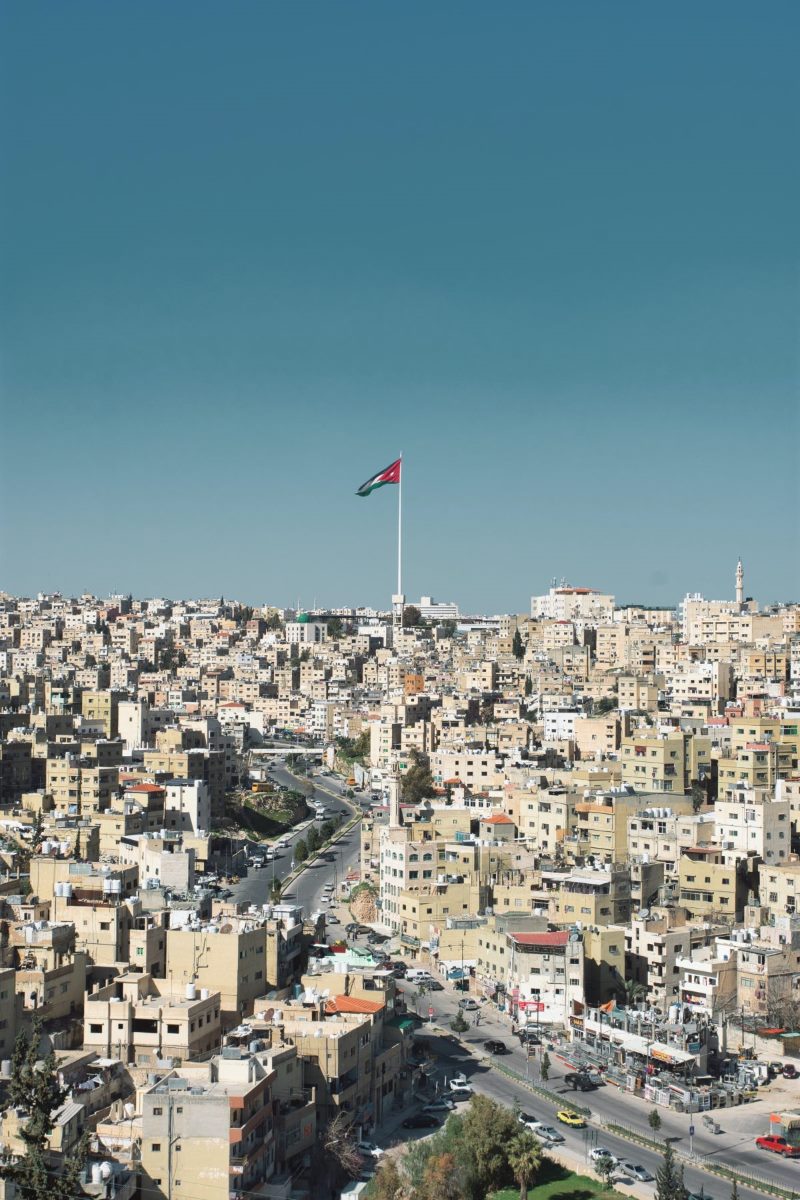
How to Spend Your Time as a Tourist in Amman, Jordan
Amman is one of the most beautiful cities in Jordan, known for its unique blend of ancient tradition and modern lifestyle. It’s the capital city of Jordan and is an important center of culture and heritage. If you are visiting Amman for the first time, there are plenty of things to do and see. In this guide, we’ll provide you with some ideas on how to spend your time as a tourist in Amman.1. Visit the Citadel
The Citadel is the most famous landmark of Amman, perched on top of a hill that overlooks the entire city. It’s a historical site with many ruins and structures dating back to the Roman and Byzantine periods. The most notable structures in the Citadel are the Umayyad Palace, the Temple of Hercules, and the Byzantine Church. The Citadel is also a great viewpoint where you can enjoy panoramic views of the city, especially during sunset.2. Explore the Roman Theater
The Roman Theater is another historical site that’s worth visiting in Amman. It’s a well-preserved Roman amphitheater that can seat up to 6,000 people. The theater was built during the reign of Emperor Antoninus Pius in the 2nd century AD and is still used for cultural events and concerts today. When you visit the theater, you can also see the nearby Odeon, which is a smaller theater that was used for poetry readings and musical performances.3. Visit the Jordan Museum
The Jordan Museum is the most important museum in the country, showcasing the rich history and culture of Jordan. The museum has a vast collection of artifacts and exhibits that range from prehistoric times to the modern era. Some of the notable exhibits include the Dead Sea Scrolls, ancient pottery, and traditional clothing. The museum is a great place to learn about Jordan’s past and appreciate its diverse heritage.4. Discover the Local Cuisine
Jordanian cuisine is known for its delicious and diverse flavors, influenced by its neighboring countries and its own cultural traditions. Some of the most popular dishes in Jordan include mansaf (a traditional lamb dish served with rice and yogurt), falafel (deep-fried chickpea balls served with pita bread), and hummus (a creamy dip made from mashed chickpeas and tahini). You can try these dishes and many more at local restaurants and food stalls in Amman.5. Shop in the Old City
The Old City of Amman, also known as Al-Balad, is the historic center of the city and a great place to shop for souvenirs and local goods. The streets of the Old City are lined with traditional shops that sell everything from spices and textiles to handicrafts and jewelry. You can also find local eateries and cafes where you can try traditional Jordanian tea and sweets.6. Visit the Royal Automobile Museum
The Royal Automobile Museum is a must-visit destination for car enthusiasts. The museum has an impressive collection of cars and motorcycles from the 20th century, including some rare and unique models. Some of the notable vehicles include the first car owned by King Hussein, a Rolls-Royce used by Queen Elizabeth II, and a Mercedes given as a gift to the late King Hussein by the German government.7. Enjoy the Nightlife
Amman has a lively nightlife scene that’s worth exploring. There are many bars, clubs, and restaurants in the city that offer live music, DJs, and dancing. Some of the best places to visit are Rainbow Street, Shmeisani, and Abdoun, which are popular among locals and tourists alike.8. Take a Day Trip
Amman is surrounded by many beautiful places that are worth visiting on a day trip. Some of the most popular destinations include the ancient city of Jerash, the Dead Sea, and the desert castles. Jerash is an ancient Roman city that’s home to many well-preserved structures, including a large amphitheater and a colonnaded street. The Dead Sea is the lowest point on earth and a natural wonder that’s known for its healing properties. The desert castles are a series of ancient fortresses and palaces that were built by the Umayyad dynasty in the 8th century.Book Your Tour Now
Amman is a vibrant and exciting city with many things to do and see. Whether you are interested in history, culture, food, or nightlife, there is something for everyone in Amman. By following this guide, you can make the most out of your visit and create unforgettable memories.Table of Contents