How to Plan Your Venice Tour: St. Mark’s City Pass with Doge’s Palace Entry
If you’re planning a trip to Venice, don’t miss out on getting a St. Mark’s City Pass with Doge’s Palace entry. This pass includes access to a variety of museums, churches, and cultural sites in Venice, allowing you to make the most out of your experience. Here’s everything you need to know to plan your Venice trip with a St. Mark’s City Pass.Experience
The St. Mark’s City Pass is the ideal way to explore Venice’s many cultural treasures. It includes entry to Doge’s Palace, a masterpiece of Gothic architecture that has been the heart of Venice’s political life for centuries. You’ll skip the long ticket lines and head straight inside to explore this stunning palace. As part of the City Pass, you’ll also get access to three museums on St. Mark’s Square: the Correr Museum, the Archaeological Museum, and the Biblioteca Marciana. Explore each of these sites to get a deeper understanding of Venice’s rich cultural heritage. In addition, the City Pass includes entry to three churches on the Chorus Circuit: the Church of Santa Maria del Giglio, the Church of Santo Stefano, and the Church of Santa Maria Formosa. Finally, you’ll also get access to the Querini Stampalia Foundation, a unique house museum that explores the history and culture of Venice.Highlights
There are many highlights to the St. Mark’s City Pass experience. Here are just a few of the things you won’t want to miss:- Marvel at the stunning Gothic architecture of Doge’s Palace
- Skip the long ticket lines and head straight inside to explore
- Take a walk across the most famous bridge in Venice, the Bridge of Sighs
- Visit the Correr Museum, Archaeological Museum, and Biblioteca Marciana to learn more about Venice’s history and culture
- Discover the Querini Stampalia Foundation, a unique house museum that explores the history and culture of Venice
- Get access to three churches on the Chorus Circuit to explore Venice’s rich religious heritage
Full Description
The St. Mark’s City Pass is the perfect way to get the most out of your Venice visit. Book this pass and enjoy access to Doge’s Palace, the 3 museums on St. Mark’s Square, 3 churches on the Chorus Circuit, and the Querini Stampalia Foundation. Get an up-close look at the stunning Gothic architecture of Doge’s Palace, the center of Venice’s political life for centuries. With your City Pass in hand, you’ll be able to skip the long ticket lines and head straight inside to explore this masterpiece of Venetian architecture. You’ll also get access to three museums on St. Mark’s Square: the Correr Museum, the Archaeological Museum, and the Biblioteca Marciana. The Correr Museum is located in the Napoleonic Wing of the Procuratie Nuove and houses a collection of historical Venetian art, while the Archaeological Museum houses a diverse collection of classical antiquities. The Biblioteca Marciana is a historic library that houses a vast collection of manuscripts and rare books. In addition to these museums, your City Pass also includes entry to three churches on the Chorus Circuit: the Church of Santa Maria del Giglio, the Church of Santo Stefano, and the Church of Santa Maria Formosa. These three majestic churches are just a few of the many religious sites that you can explore in Venice. Finally, your City Pass includes access to the Querini Stampalia Foundation, a unique house museum that explores the history and culture of Venice. This former residence of the Querini Stampalia family boasts a distinctive mix of Old World elegance and contemporary art and design. With your St. Mark’s City Pass in hand, you’ll be able to explore Venice’s rich cultural heritage at your own pace. Book your pass today and take the first step toward an unforgettable Venice experience. To book the St. Mark’s City Pass with Doge’s Palace entry, book the tour here. Don’t miss out on this fantastic opportunity to explore one of the world’s most beautiful cities!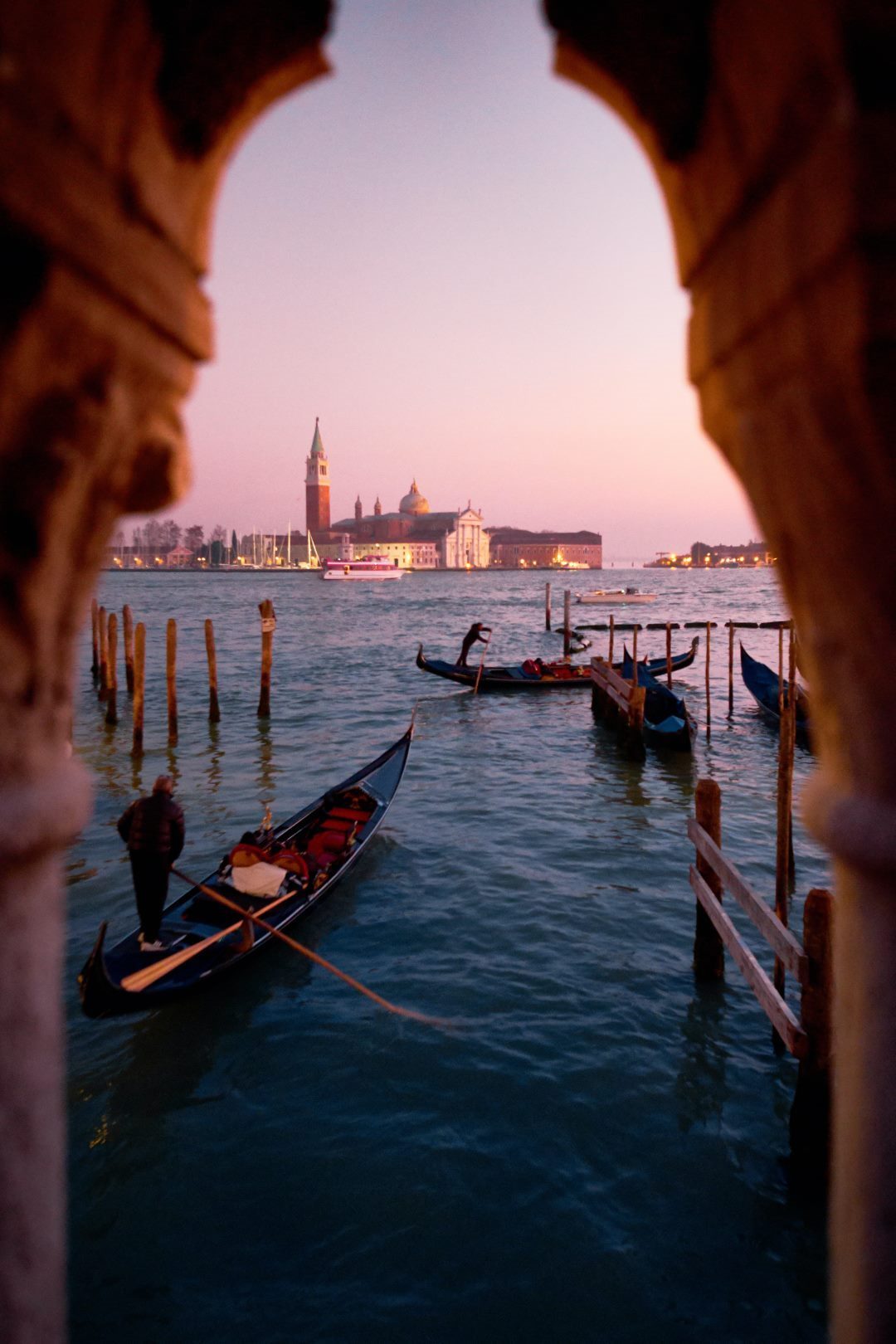
Frequently Asked Questions About Venice
Venice is one of the most famous tourist destinations in Italy, which is famous for its stunning architecture, gondola rides, and artistic heritage. If you are planning to visit Venice, you might have some questions in your mind regarding the city, its culture, traditions, and tourist attractions. In this blog post, we have answered some of the most frequently asked questions about Venice to help you plan your trip better.1. What is Venice famous for?
Venice is famous for its canals, gondolas, and charming bridges that crisscross the city. It is one of the most romantic cities in the world, attracting millions of visitors every year. Venice is also famous for its art and architecture, including St. Mark’s Basilica, Doge’s Palace, and the Rialto Bridge. The city is also known for its glass art and lace-making traditions.2. Is Venice sinking?
Yes, Venice is gradually sinking into the Adriatic Sea. The city’s foundations sit on layers of clay and sand, which are slowly sinking under the weight of the city. In addition, rising sea levels and subsidence due to natural causes and human activities are causing Venice to sink at a rate of around 1-2 mm per year.3. How many islands are there in Venice?
Venice is made up of 118 small islands that are interconnected by a network of canals and bridges. The city is located in a lagoon on the Adriatic Sea, which was created due to a geological shift about 6,000 years ago. Over time, the lagoon filled with sediment and created a unique environment for the development of Venice.4. What is the best time to visit Venice?
The best time to visit Venice is from April to June and from September to November. During these months, the weather is mild and pleasant, and the crowds are smaller than during the peak tourist season in the summer months of July and August. December is also a good time to visit Venice because of the Christmas markets and other festive events.5. How can I get around Venice?
The best way to get around Venice is on foot or by water taxi. The city is pedestrian-friendly, and walking is the best way to soak up its charm and beauty. You can also take a vaporetto (water bus) to explore the city’s canals and islands. Gondolas are also available for hire, but they are expensive and more suitable for a romantic ride rather than transportation.6. What are the must-see attractions in Venice?
Some of the must-see attractions in Venice include:- St. Mark’s Basilica
- Doge’s Palace
- Rialto Bridge
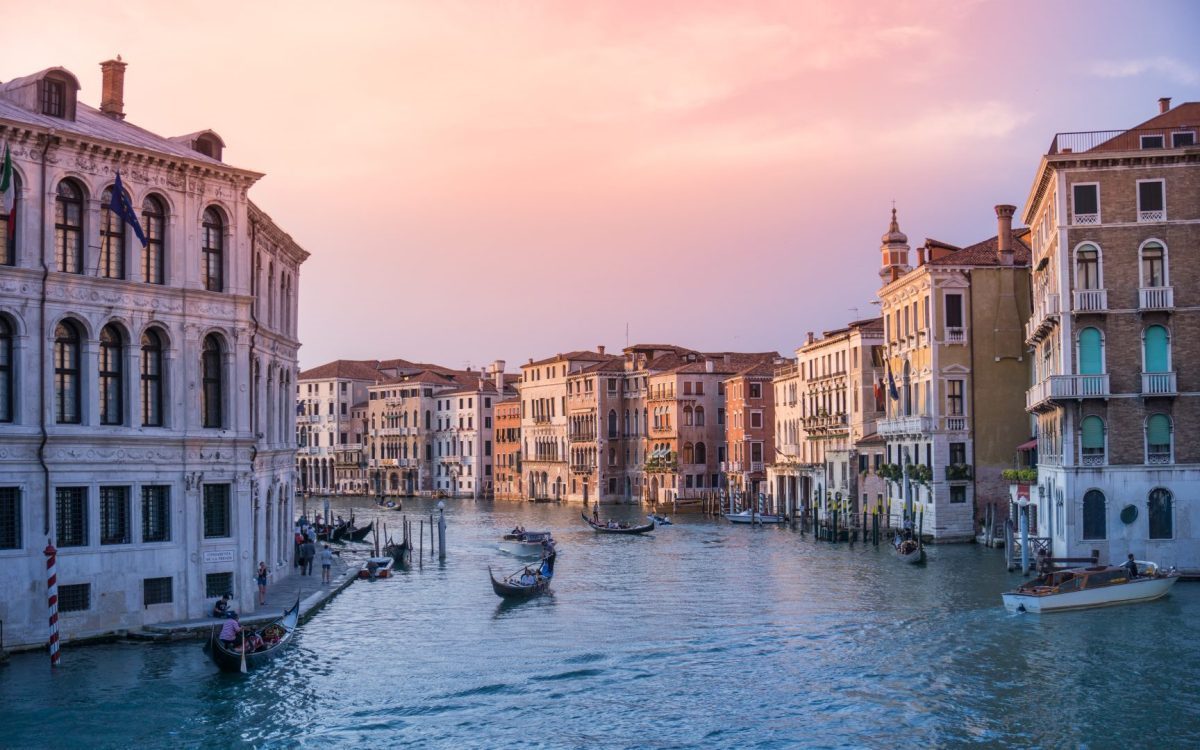
- Grand Canal
- The Peggy Guggenheim Museum
- Piazza San Marco
- Murano Island
- Burano Island
7. What should I eat in Venice?
Venice has a rich culinary tradition, with an emphasis on seafood and local ingredients. Some of the must-try dishes include:- Cicchetti (small snacks served with wine)
- Sarde in saor (sweet and sour sardines)
- Baccalà mantecato (creamy salt cod)
- Fegato alla veneziana (Venetian-style liver)
- Risotto al nero di seppia (squid ink risotto)
- Tiramisu
8. How can I avoid the crowds in Venice?
Venice is a popular tourist destination, and it can get crowded during peak season. To avoid the crowds, you can consider visiting Venice during the shoulder seasons (April to June and September to November). You can also explore lesser-known attractions, such as the islands of Torcello and San Francesco del Deserto, or take a walk in the less touristy neighborhoods like Cannaregio and Castello.9. Is it safe to drink tap water in Venice?
Yes, it is safe to drink tap water in Venice, but it may not taste very good due to its high mineral content. You can also buy bottled water from supermarkets and kiosks, which is widely available throughout the city.10. What are some useful Italian phrases for travelers in Venice?
Some useful Italian phrases for travelers in Venice include:- Buongiorno (good morning)
- Buonasera (good evening)
- Grazie (thank you)
- Prego (you’re welcome)
- Scusi (excuse me)
- Quanto costa? (how much does it cost?)
- Dove si trova…? (where is…?)
- Parla inglese? (do you speak English?)
How To Spend Your Time As A Tourist In Venice
If you’re planning a trip to Venice, Italy, then you’re in for a real treat. From the winding canals to the charming architecture and world-class cuisine, there’s plenty to keep you busy in this stunning city. Here are some of the best ways to spend your time as a tourist in Venice.1. Explore St. Mark’s Basilica
St. Mark’s Basilica is a must-see attraction for anyone visiting Venice. This stunning cathedral was built in the 11th century and features some of the most intricate and impressive Byzantine architecture in the world. Be sure to take a guided tour to learn about the history of the building and its many intricate details.2. Take A Gondola Ride
No trip to Venice is complete without taking a gondola ride through the city’s picturesque canals. These iconic boats are operated by skilled gondoliers who will take you on a leisurely tour of the city’s most famous waterways. Be sure to bring your camera, as the views from the water are truly breathtaking.3. Visit The Doge’s Palace
The Doge’s Palace is one of the most impressive buildings in Venice and offers visitors a glimpse into the city’s rich history. This palace was once the seat of power in Venice and features stunning works of art and architecture from throughout the ages. Be sure to take a guided tour to get the most out of your visit.4. Go Shopping In The Rialto Market
The Rialto Market is a must-visit destination for foodies and shoppers alike. Here you’ll find fresh produce, seafood, and other delicacies from around the world. This is the perfect place to pick up ingredients for a picnic in one of Venice’s many beautiful parks.5. Take In The Views From The Campanile
The Campanile is the tallest building in Venice and offers unparalleled views of the city from the top. Take the elevator to the observation deck and enjoy panoramic views of the city’s iconic canals, bridges, and architecture. Be sure to bring your camera, as the views from the top are truly breathtaking.6. Enjoy A Coffee At Caffè Florian
Caffè Florian is one of the oldest cafes in Europe and is a must-visit destination for coffee lovers. Here you’ll find delicious coffee, pastries, and other treats in a charming and historic setting. This is the perfect place to take a break from sightseeing and soak up the atmosphere of Venice.7. Take A Day Trip To The Islands
There are several small islands surrounding Venice that make for excellent day trip destinations. Visit Murano to see how the famous Venetian glass is made, or head to Burano to see the colorful houses and picturesque canals. These islands are easy to reach by boat and offer a welcome respite from the hustle and bustle of Venice.8. Attend A Concert At La Fenice
La Fenice is one of the most famous opera houses in Italy and offers visitors a chance to see world-class performances in a stunning and historic setting. Be sure to check the schedule and book tickets in advance, as shows tend to sell out quickly.Book Your Tour Now
Venice is a city that’s full of charm, history, and unforgettable experiences. Whether you’re a history buff, a foodie, or simply looking to unwind and enjoy the beauty of one of Italy’s most stunning destinations, there’s something for everyone in Venice. Be sure to take your time and explore all that this magical city has to offer.Table of Contents